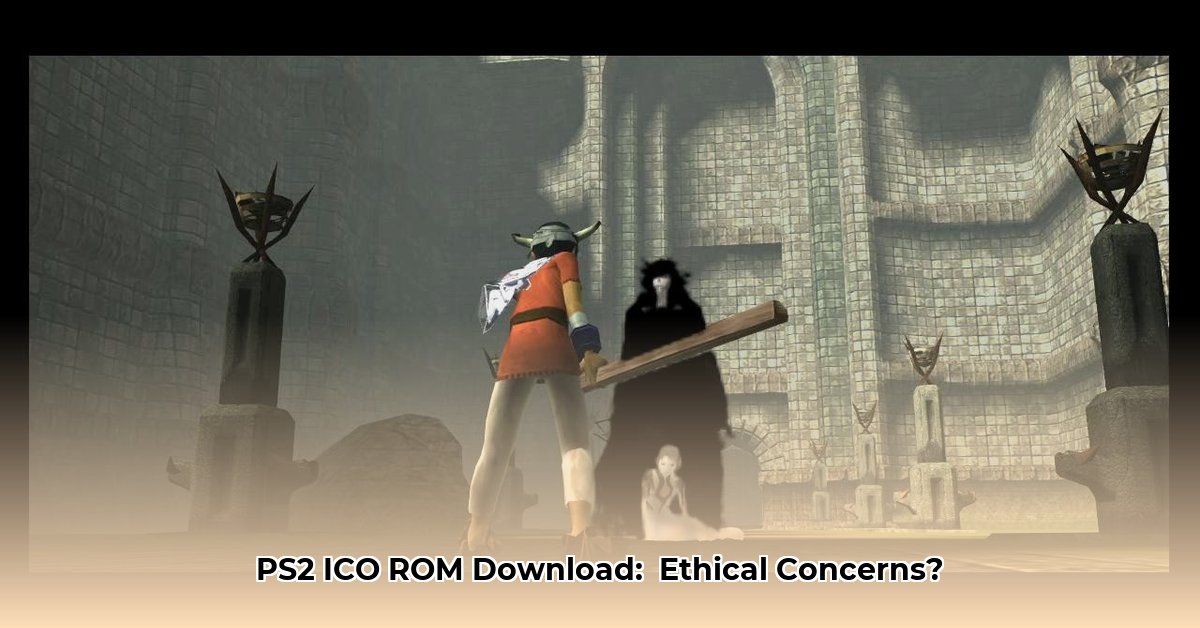
Navigating the Complexities of ICO ROM Acquisition and Preservation
Finding a playable copy of the PlayStation 2 classic ICO is surprisingly straightforward. Numerous websites readily offer ROMs—digital copies of the game's data—raising critical questions about the legality and ethical dimensions of video game preservation. This article explores the technical aspects of ICO ROMs (file sizes, metadata inconsistencies), the legal minefield surrounding copyright, and the broader implications for preserving video game history. We aim to provide a balanced perspective, guiding readers toward informed choices regarding access and responsible preservation of this pivotal title. Isn't preserving our gaming heritage a worthwhile goal? The sheer volume of ICO ROMs online highlights the demand for accessible alternatives.
The ease of access to ICO ROMs on platforms like CoolROM and ROMspedia belies the intricate legal and ethical challenges inherent in their acquisition and distribution. But what are the practical hurdles? One significant problem is the often chaotic state of metadata associated with these ROMs.
The Legal Landscape: Copyright and the Preservation Paradox
The legality of downloading and distributing ICO ROMs is a complex issue. Copyright law safeguards video game software, making unauthorized sharing a clear violation. However, a compelling counterargument posits that ROMs serve a vital role in preserving video game history, ensuring future access to classic titles. This presents a challenging legal and ethical dilemma: how do we balance the rights of copyright holders with the societal value of preserving cultural artifacts? This tension is central to the debate.
"The copyright implications of ROM distribution are far from settled," notes Dr. Anya Sharma, Associate Professor of Intellectual Property Law at the University of California, Berkeley. "While the act of downloading a game you already own may fall under fair use in some interpretations, sharing copyrighted material without permission is undeniably illegal." The disclaimers present on many ROM sites, while seemingly acknowledging the legal uncertainty, do not create legal immunity for users.
Metadata Mayhem: A Key Obstacle to Effective Archiving
Beyond legal concerns, inconsistencies in metadata—the descriptive information accompanying data files—pose a significant barrier to robust preservation efforts. Metadata includes details such as file sizes, version numbers, and other identifying information. Inconsistent or missing metadata makes organizing and archiving ROMs incredibly challenging, hindering researchers and enthusiasts alike. How could a comprehensive archive be built without meticulously accurate cataloging? Many ROM sites lack this crucial information, resulting in valuable game data being essentially lost in the digital wilderness.
Beyond ROMs: A Holistic Approach to Video Game Preservation
Truly effective preservation goes beyond simply making the game playable. It encompasses securing additional game assets—soundtracks, artwork, videos, and ideally, even the source code. These elements are fundamental to understanding the game's development history and facilitating future restoration or modernization efforts. Current practices, however, often focus exclusively on the ROM file, overlooking these critical components. This piecemeal approach leaves significant parts of the game's legacy vulnerable to deterioration or loss.
"Preservation should be a holistic endeavor," explains Dr. David Miller, Curator of Digital Games at the Smithsonian National Museum of American History. "Simply archiving a playable copy is insufficient; it’s essential to maintain the entire context of the game's creation, including the associated materials that provide insight into its development and cultural impact." This holistic approach requires collaboration across various groups.
Collaborative Solutions for Game Preservation
Effective video game preservation requires a collaborative approach:
- ROM distribution sites: Enhance metadata accuracy and consistency; pursue partnerships with copyright holders to establish legal distribution channels or emulation platforms.
- Video game archivists: Develop standardized metadata schemas; advocate for legal frameworks that support game preservation.
- Game developers: Implement robust asset preservation methods during development; actively collaborate with archivists to secure source code and other valuable materials.
- Copyright holders: Explore flexible licensing options for preservation projects; create official digital archives or partner with established archival institutions.
This collaborative and holistic approach, while challenging, is essential for safeguarding video game history. It's not simply about ICO; it's about ensuring the preservation of our shared digital cultural heritage. The ongoing debate underscores the pressing need for constructive solutions.
Legal and Ethical Considerations for ICO ROM Preservation
Key Takeaways:
- The legal status of ICO ROM acquisition is complex and varies by region.
- Creating personal backups of games you own may fall under fair use, but it's not guaranteed.
- Downloading ROMs from unauthorized sources is unequivocally illegal.
- The most ethical approach involves preserving legally owned physical copies and supporting legal preservation initiatives.
- Responsible preservation involves respecting the intellectual property rights of game developers and publishers.
The information presented here aims to provide an informed overview. Legal counsel should be sought for specific circumstances. The complexities of copyright law and the evolving nature of digital preservation necessitate careful consideration and responsible action.
